Your First Solo Trip: Everything Nobody Tells You
The honest version. What solo travel actually feels like, what to do about the lonely parts, and why you'll do it again.
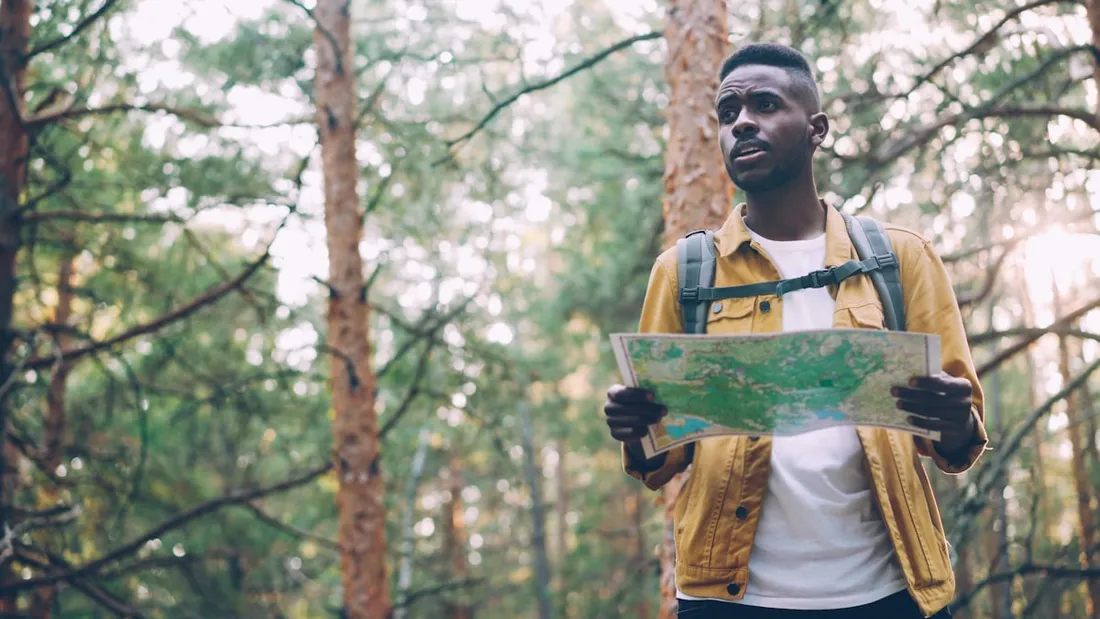
Here’s what the solo travel articles don’t mention: the first dinner alone feels weird. You’ll sit at a table, pull out your phone, and wonder if everyone’s looking at you. They’re not. But it takes about three dinners before you stop caring.
That’s the actual arc of solo travel. Not the Instagram version where someone gazes thoughtfully at a mountain. The real version, where you figure out how to be alone in public, navigate a bus system in a language you don’t speak, and discover that you’re better at this than you thought.
Why It’s Worth Doing
Solo travel teaches you things that group travel can’t. You learn how to read a situation, how to start a conversation with a stranger, how to sit with boredom instead of filling it. You learn what you actually want to do versus what you go along with because someone else suggested it.
You also move differently alone. You stop when something interests you. You leave when it doesn’t. You take the weird side street because there’s no one to convince. The trip becomes entirely yours.
Choosing Your First Destination
For a first solo trip, pick somewhere that makes logistics easy but still feels unfamiliar. You want enough adventure to grow, but not so much friction that you spend every hour problem-solving.
Good first solo trips: Portugal, Japan, Scotland, New Zealand, Colombia (Medellín and the coffee region), Slovenia, Taiwan.
What these places have in common: safe, navigable, interesting, affordable enough to make mistakes, and full of other travelers doing the same thing you are.
Maybe not first: India, rural Southeast Asia, anywhere with a language you can’t even sound out. These are great solo destinations — after you’ve built the muscle.
The Practical Stuff
Accommodation: Hostels aren’t just for twenty-year-olds with backpacks. Modern hostels have private rooms, coworking spaces, and organized dinners. They’re the easiest way to meet people when you want company and retreat to your room when you don’t.
Guesthouses and small hotels work if you’re over the hostel vibe. You’ll meet fewer people, but the owners of small places tend to be the best source of local tips.
Eating alone: Sit at the bar. It’s more social, the bartender will talk to you, and you can watch the kitchen. Lunch is an easier solo meal than dinner if you’re still warming up to it. Markets and food halls are perfect — you’re eating in a crowd without needing a companion.
Safety: The standard advice applies everywhere: keep copies of your passport, don’t flash expensive gear, trust your instincts. But most places are safer than the news suggests. The biggest risk of solo travel isn’t danger — it’s sunburn and missed bus connections.
The Lonely Parts
They’re real. Usually they hit at transition points — the bus ride between cities, the empty evening in a town where you don’t know anyone yet, the restaurant where every other table is a group.
Some strategies that actually work:
Walking tours on day one. Free walking tours exist in most cities and they’re essentially a cheat code for meeting people. You’ll walk with a group for two hours and by the end, someone will suggest grabbing a drink.
Learn three phrases. “Hello,” “thank you,” and “this is delicious” in the local language will open more doors than fluency. People light up when you try.
Stay somewhere longer. The loneliness fades when a place becomes familiar. Two nights in a city and you’re a tourist. Five nights and you have a regular coffee spot, a favorite street, maybe a nodding acquaintance with the person who runs the corner shop.
What You’ll Actually Pack
Less than you think. One bag, carry-on size. Three shirts, two pants, one layer, one nice-ish outfit for dinners. A quick-dry towel. A headlamp for hostels. Everything else is available wherever you’re going.
The thing nobody tells you about packing light: it changes how you move through a place. You can walk from the station to your hotel instead of taking a taxi. You can say yes to a last-minute ferry because all your stuff is on your back.
When You Come Back
The strange part isn’t the trip itself. It’s the re-entry. You’ll come back and things will feel slightly different — not because they changed, but because you did. You’ll be a little more comfortable with uncertainty, a little less dependent on plans, and already thinking about where to go next.
That’s the secret nobody advertises: solo travel is a little addictive. Not because every moment is perfect, but because the imperfect moments are the ones that actually change you.