Walking the Rota Vicentina: Portugal's Wild Atlantic Coast
A 120-kilometer trail along sea cliffs, fishing villages, and empty beaches on Europe's most unspoiled coastline.
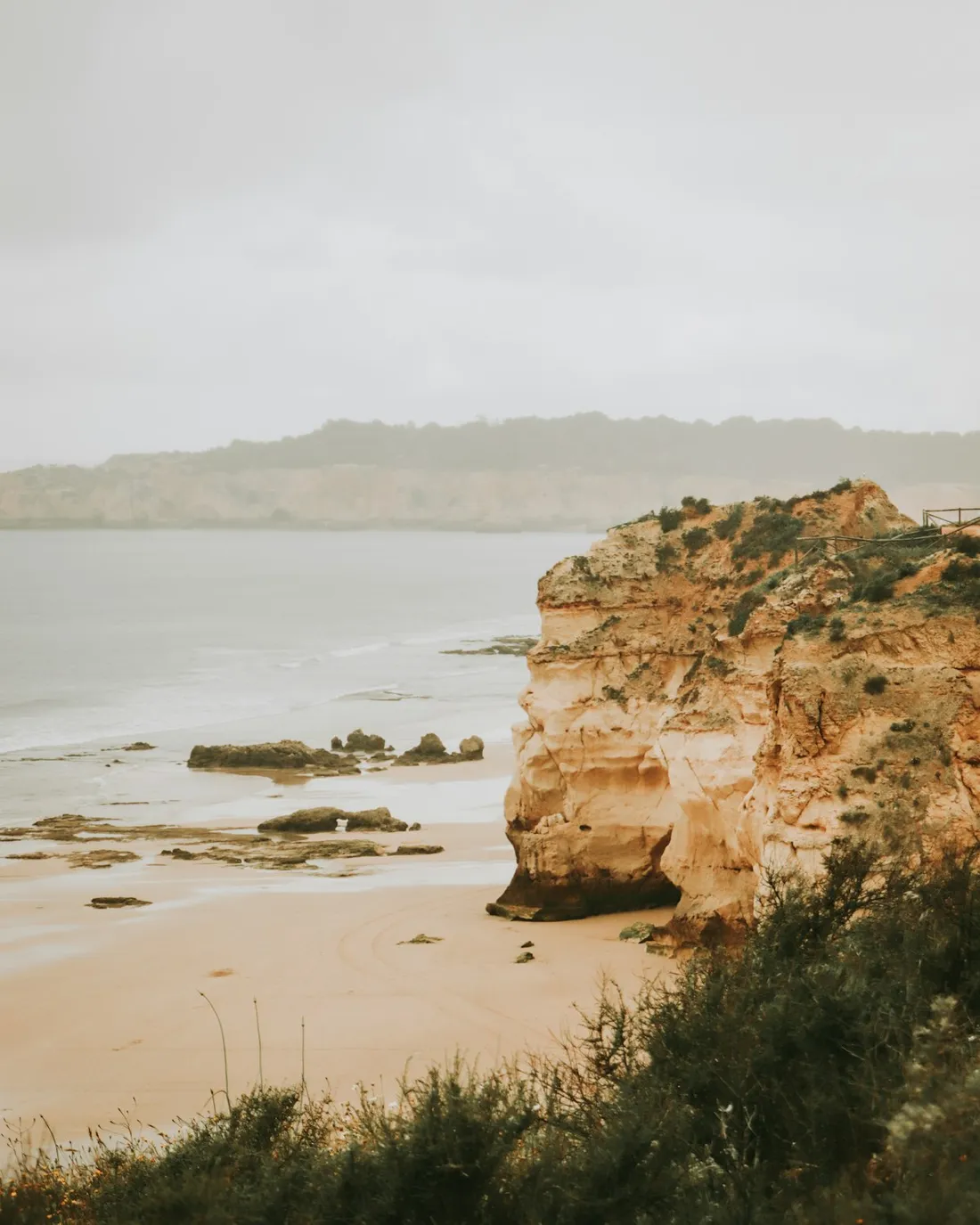
The Alentejo coast in southwestern Portugal is the last stretch of undeveloped Atlantic shoreline in southern Europe. No resorts. No boardwalks. No high-rises. Just red sandstone cliffs, wildflower meadows, and beaches you reach by scrambling down fisherman’s paths.
The Rota Vicentina is a long-distance trail network that runs through it. There are two main routes — the Historical Way through the interior hills, and the Fishermen’s Trail along the coast. The Fishermen’s Trail is the one you want.
The Trail
The Fishermen’s Trail runs roughly 120 kilometers from Santiago do Cacém to Cabo de São Vicente, the southwestern tip of Europe. It follows the actual paths that fishermen used to reach their spots along the cliffs — narrow, sandy, sometimes steep, always spectacular.
You’ll walk along cliff edges with the Atlantic crashing below, cross empty beaches that stretch for kilometers, and pass through villages where the main activity is sitting outside the café watching the afternoon go by.
The trail is divided into stages of 15–22 kilometers each, with small towns or villages at the end of every day. Most people walk it in 5–7 days.
When to Go
Spring — March through May — is perfect. The wildflowers are out, the weather is warm but not hot, and the trail is quiet. You’ll pass through meadows of purple and yellow flowers with the ocean as backdrop.
Autumn (September through November) works too. The water is warmer for swimming, the summer crowds are gone, and the light turns golden.
Summer is too hot for comfortable walking, and the coastal towns fill up. Winter is mild but can be rainy and windy.
What You’ll See
Day one often starts gently through pine forests and farmland before reaching the coast. The first time you step out of the trees and see the cliffs dropping into blue-green water, the scale of the landscape hits you.
The middle sections are the wildest. Long beaches with no one on them. Cliff-top paths through low scrub with the wind in your face. Stork nests on sea stacks. You’ll see more storks than people on some stretches.
Porto Covo and Zambujeira do Mar are the best overnight stops — small fishing villages with a handful of restaurants serving grilled fish and local wine. The kind of places where the waiter brings you whatever’s fresh and you don’t argue.
The finish at Cabo de São Vicente is dramatic. The cliffs are the tallest on the route, the lighthouse sits on the point, and on a clear day you feel like you’re standing at the edge of the world. The ancients thought you were.
Practical Details
Accommodation: Book guesthouses and small hotels along the route. Nothing is fancy. A clean room with a shower and a terrace overlooking the ocean is the standard, and it’s enough. In spring, you can usually book a few days ahead. In peak season, book everything in advance.
Luggage transfers are available through Rotavicentina.com. They’ll move your bag to the next town for about €10–15 per stage. Worth it if you want to walk light.
Food: Every village stop has at least one restaurant. Expect grilled fish (the sardines are incredible), cataplana (seafood stew), and local Alentejano wines. Budget €15–25 for a full dinner with wine.
Getting there: Fly into Lisbon, take a bus to Santiago do Cacém (about 2 hours). From Cabo de São Vicente, buses run to Lagos, where you can train back to Lisbon.
What to Bring
Trail runners, not hiking boots — the terrain is sand and packed earth, not rocks. A wind layer for the exposed cliff sections. Sunscreen. A swimsuit for the beaches you’ll pass. A small daypack if you’re using luggage transfers.
That’s it. The simplicity is the point.