Japan Beyond Tokyo: A Two-Week Itinerary for Slow Travelers
Bamboo forests, mountain onsens, and island art museums. A route through Japan that skips the tourist loops and finds the real thing.
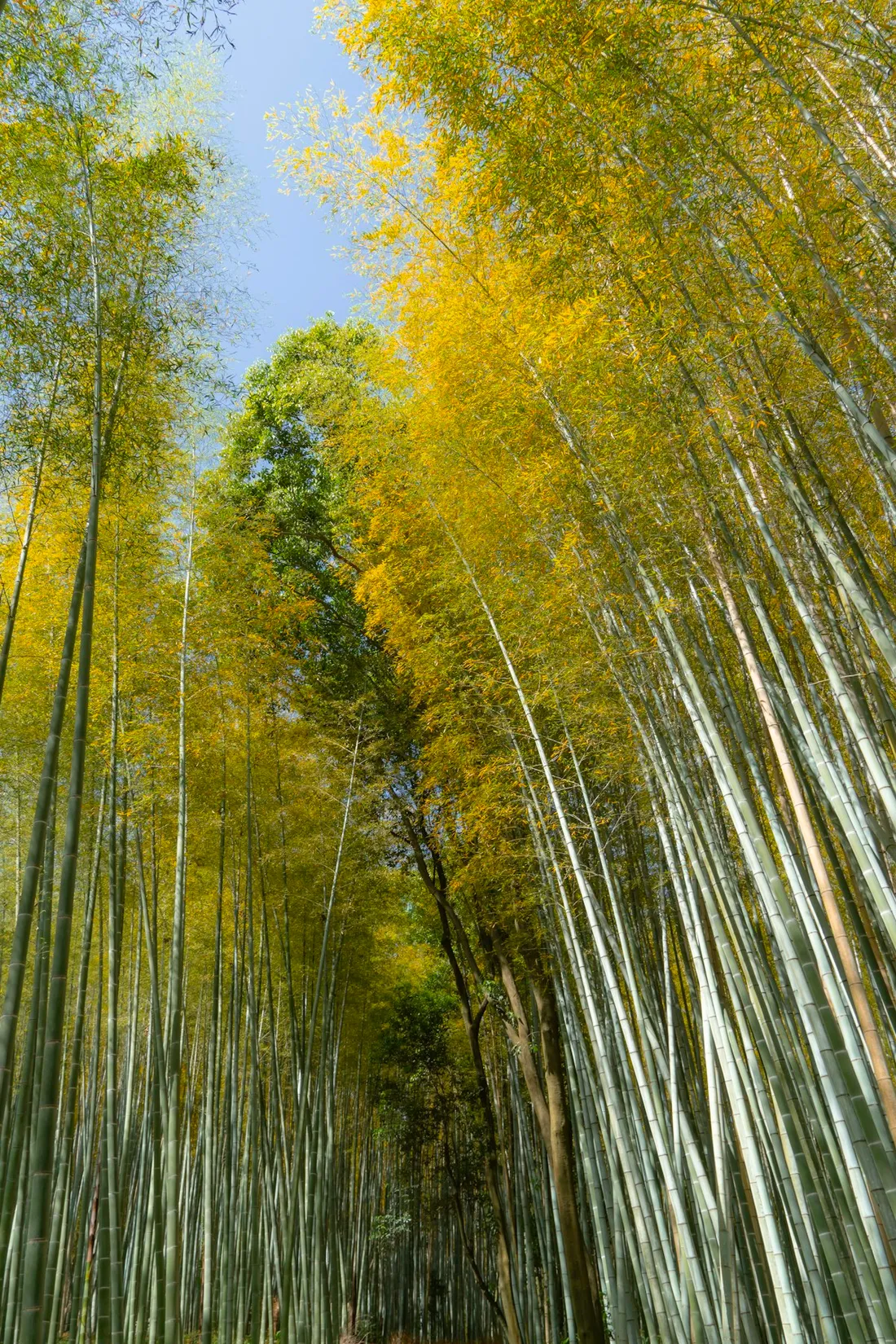
Everybody goes to Tokyo. And Tokyo is magnificent — overwhelming, electric, endlessly layered. But Japan is a country that reveals itself slowly, in small towns and rural train lines and the space between places. The good stuff is almost always off the main route.
This itinerary is built for two weeks, but you could stretch it to three if a place grabs you. It moves south and west from Tokyo, through mountains, along coasts, and onto islands. The pace is intentionally slow.
Week One: Mountains and Hot Springs
Kanazawa (3 nights)
Start here instead of Kyoto. Kanazawa has a geisha district, a samurai quarter, one of Japan’s top three gardens, and a contemporary art museum — all without the tour bus crowds. The Omi-cho market is where locals actually shop. The sushi here rivals Tokyo at a third of the price.
Stay near Higashi Chaya, the eastern geisha district. Walk the streets at dusk when the wooden lattice houses glow from inside.
Takayama and Shirakawa-go (2 nights)
Take the train into the Japanese Alps. Takayama is a mountain town with Edo-period streets, morning markets, and some of the best beef in the country. Hida beef is Kobe’s lesser-known rival, and locals will argue it’s better.
Day trip to Shirakawa-go — a UNESCO village of steep thatched-roof farmhouses in a mountain valley. Go early. By noon the bus tours arrive. By 8am you’ll have the rice paddies and mist to yourself.
Kinosaki Onsen (2 nights)
A hot spring town on the Sea of Japan coast where the tradition is to wear a yukata and wooden geta sandals and walk between seven public bathhouses. Each has a different character — one is in a cave, another overlooks a river.
The town is built for wandering. At night, the willow-lined canal is lit with lanterns. It feels like stepping into a woodblock print.
Week Two: Coast, Art, and Islands
Naoshima (2 nights)
An island in the Seto Inland Sea that Benesse Holdings turned into an open-air art museum. Yayoi Kusama’s yellow pumpkin sits on a pier. Tadao Ando’s museums are built into hillsides. Houses in the fishing village have been converted into art installations.
Take the ferry from Uno. Rent a bicycle. The island is small enough to cover in a day, but staying two nights lets you see the museums without rushing and watch sunset from the southern shore.
Onomichi (2 nights)
A hillside port town connected to six islands by bridges you can cycle across. The Shimanami Kaido is one of the best cycling routes in the world — 70 kilometers of dedicated bike path hopping between islands over the Inland Sea.
Onomichi itself has a temple walk along the hillside, cat-filled alleys, and a main street with ramen shops that have been open for decades.
Miyajima (1 night)
Yes, the floating torii gate. But stay overnight after the day-trippers leave. The island at dusk is silent except for the deer. Walk the empty shopping street. Watch the gate at high tide, then again at low tide when you can walk out to it.
How to Get Around
Get a 14-day Japan Rail Pass. It pays for itself in two long-distance trips. The train system is famously punctual, clean, and covers everywhere on this route except the ferries to Naoshima and Miyajima.
For the rural stretches, IC cards (Suica or Pasmo) work on local buses and trains. Load one at any station.
What This Trip Costs
Japan is cheaper than people think if you stay in guesthouses and eat where locals eat. Budget around ¥12,000–15,000 per day (roughly $80–100 USD) for accommodation, food, and transport after the rail pass. The JR Pass adds about $400 for two weeks.
The splurge worth making: one night in a ryokan with a private onsen. Expect to pay ¥25,000–40,000, but the multi-course kaiseki dinner, the tatami room, and the experience of soaking in a stone bath overlooking a garden are worth every yen.