A Guide to Greek Island Hopping Without the Crowds
Skip Mykonos. The best Greek islands are the ones where the ferry drops you off and nobody else gets out. Here's how to find them.
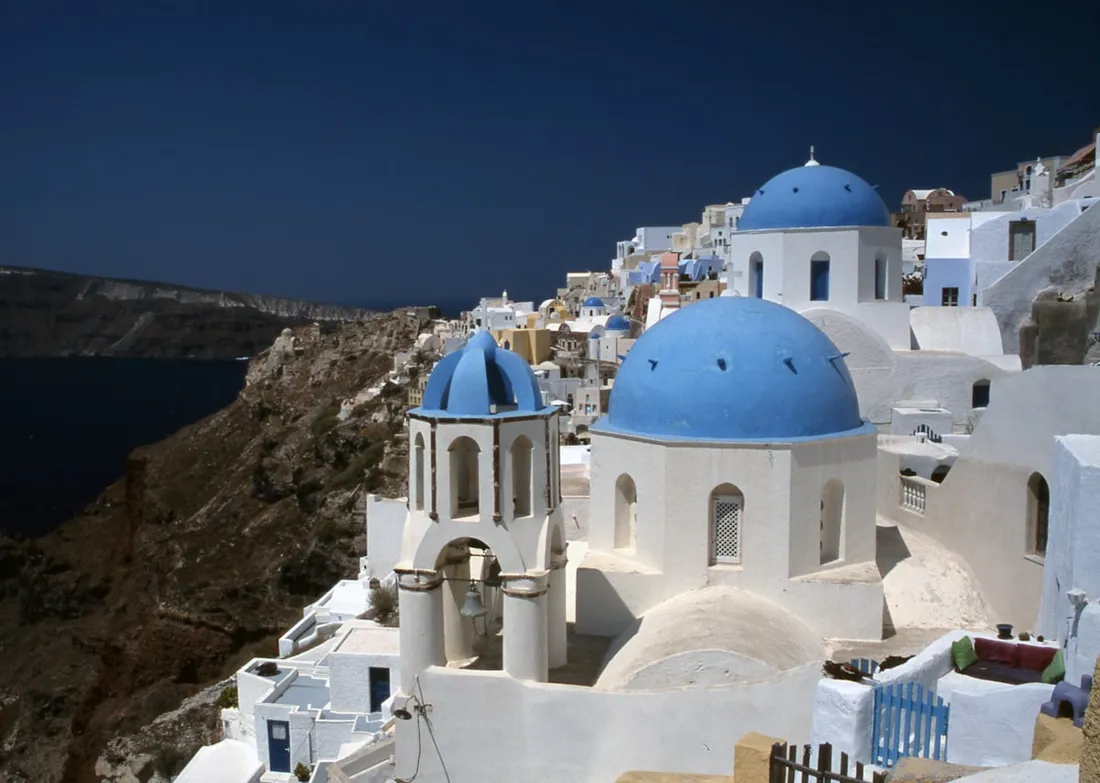
There’s a version of Greece that most travelers never see. It exists past the cruise ship ports and beyond the Santorini caldera selfie spots — on islands where the bakery doubles as the post office and the beach has no sunbeds because nobody thought to put any there.
Greek island hopping done right isn’t about checking off a list. It’s about building a rhythm: morning swim, village walk, long lunch, afternoon nap, sunset from whatever cliff you wandered to. Repeat for a week.
The Route Most People Take (And Why You Shouldn’t)
The classic Athens → Mykonos → Santorini circuit is fine. It’s also the route every travel influencer, study abroad group, and honeymooning couple follows. You’ll eat well, the views are genuinely stunning, and you’ll pay twice what you would anywhere else in the country.
The alternative is simpler than you think. Same ferry system, same blue water, half the price, ten times the quiet.
Where to Go Instead
Milos has better beaches than Santorini without the crowds. The lunar landscape at Sarakiniko looks like another planet, and Kleftiko — a series of sea caves you can only reach by boat — might be the most beautiful swimming spot in Greece.
Folegandros is what Santorini looked like forty years ago. The Chora sits on a cliff edge, whitewashed and windswept, with three tavernas and zero chain restaurants. The walk to Agali Beach takes twenty minutes through terraced hillside.
Naxos has mountains, actual farms, and enough size to explore for days. Rent a car. Drive into the interior. Find the villages where old men sit under plane trees and the cheese is made that morning.
Sifnos is an island that takes food seriously. It claims to be the birthplace of Greek cuisine, which might be debatable, but the chickpea stew you’ll eat at a hillside taverna will make you a believer.
How the Ferries Work
Greek ferries are not complicated, but they reward flexibility. Here’s what you need to know:
Buy tickets on Ferryhopper a few days in advance. The fast ferries (SeaJets, Hellenic Seaways) cost more but cut travel time in half. The slow ferries are cheaper, have outdoor decks, and feel more like the trip itself.
June and September are the sweet spot. July and August bring the meltemi winds, which can cancel ferries and turn calm bays into washing machines. The shoulder months give you warm water, empty trails, and taverna owners who actually have time to talk.
The Only Packing List That Matters
A decent pair of water shoes. A dry bag for the ferry. Sunscreen that works. A book for the slow crossings. Everything else you can buy on any island with a pharmacy.
What to Skip
Organized “island hopping tours” that pack three islands into four days. You’ll spend more time on ferries than beaches and arrive at each island exhausted. Pick two or three islands, stay three nights minimum on each, and let the days unspool on their own.
That’s the real Greece. Not the one in the brochure — the one you remember.