The Best European Train Journeys You've Never Heard Of
Forget the Glacier Express. These lesser-known European rail routes are cheaper, emptier, and just as stunning.
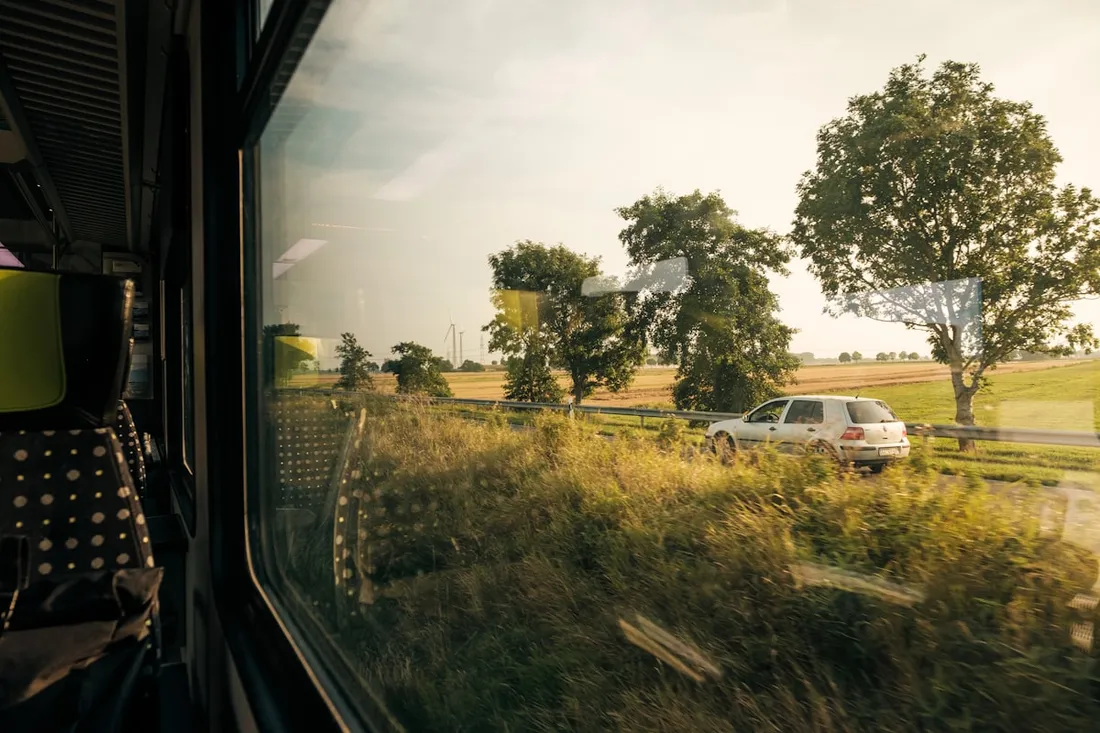
Everyone knows about the Swiss panoramic trains. They’re gorgeous, they’re expensive, and they’re full of people holding phones against the window for four straight hours. There’s nothing wrong with them, but they’re also not the only story.
Europe’s rail network is vast, mostly affordable, and full of routes that nobody puts on a listicle. Trains that hug coastlines, cross mountain passes, and roll through valleys where the scenery is absurd and the carriage is half-empty. Here are the ones worth building a trip around.
Belgrade to Bar, Serbia/Montenegro
This is the route that ruins you for other train journeys. Ten hours from the Serbian capital to the Montenegrin coast, climbing through limestone gorges, crossing the Mala Rijeka viaduct (the highest railway bridge in Europe), and punching through 254 tunnels.
The train is old. The heating may or may not work. The cafe car sells coffee and beer and nothing else. None of that matters when you’re looking out at the Moraca Canyon and there isn’t another tourist in sight.
Tickets run about $20 for the full journey. Buy them at the station in Belgrade. The morning departure gives you daylight for the best sections.
Porto to Faro, Portugal
The Portuguese coastal line from Porto to the Algarve is criminally underrated. Take the Linha do Alentejo section from Lisbon south — the train rolls through cork oak forests, past whitewashed villages, and along stretches of coast that look like California before anyone built on it.
Break the journey in Evora, a walled university town in the Alentejo that deserves two nights minimum. The bone chapel is genuinely unsettling. The wine is extraordinary and costs almost nothing.
Regional trains in Portugal are cheap — Porto to Lisbon is under $30 on Comboios de Portugal, and Lisbon to Faro is about the same. No reservations needed for regional services; just show up and go.
Bergen to Oslo, Norway
The Bergensbanen is Norway’s answer to the Swiss scenic trains, except it costs a fraction of the price and nobody outside Scandinavia talks about it. Seven hours across the Hardangervidda plateau — Europe’s largest mountain plateau — through snow tunnels, past frozen lakes, and over terrain that looks like the surface of the moon.
Book on Vy (Norwegian railways) and snag a minipris ticket for 299-499 NOK ($28-47). The trick is booking 60-90 days in advance. Full price is steep, but the discounted fares are a genuine bargain for what you get.
Sit on the left side heading from Bergen to Oslo. Trust me.
Thessaloniki to Kalambaka, Greece
The train to Meteora is one of those Greek secrets that guidebooks mention in a sidebar and then move on. Three hours from Thessaloniki through the Thessalian plain, and then the rocks appear — massive sandstone pillars with monasteries balanced on top of them.
The train itself is unremarkable. Greek railways aren’t winning design awards. But the destination makes up for it entirely. Kalambaka is a small town at the base of the rocks, with cheap guesthouses and tavernas where the owner brings you food you didn’t order and won’t let you pay for the wine.
About $15 each way. Run by Hellenic Train. Check schedules carefully — there are only a few departures per day.
Stockholm to Narvik, Sweden/Norway
Seventeen hours from the Swedish capital to above the Arctic Circle. The Arctic Circle Train crosses the spine of Scandinavia, passing through boreal forest, over frozen rivers, and into the Norwegian fjords before terminating at a port town where the sun doesn’t set in summer or rise in winter.
This is not a quick day trip. This is a commitment. But the sleeper cabins are comfortable, the dining car serves surprisingly good meatballs, and waking up to the Lofoten mountains appearing through the window is the kind of moment that makes you understand why people travel by train in the first place.
Book through SJ (Swedish railways) for the best fares. Sleeper berths from around $80.
Sarajevo to Mostar, Bosnia and Herzegovina
Two hours through some of the most dramatic canyon scenery in Europe. The train follows the Neretva River south, clinging to the valley walls, passing through tunnels cut into raw rock, and crossing bridges that look like they were placed there by someone who wanted the view to be as cinematic as possible.
Mostar at the other end is the town with the famous bridge — the Stari Most, rebuilt after the war, where young men dive into the river for tips. Stay overnight. Walk the old town after the day-trippers leave. Eat cevapi at a place that hasn’t changed its recipe in sixty years.
Under $5 for a ticket. Five dollars. For one of the best train rides on the continent.
Palermo to Messina, Sicily
The Sicilian railway hugs the Tyrrhenian coast for most of this three-hour route. Blue sea on one side, citrus groves and crumbling Norman architecture on the other. The train is slow, the air conditioning is aspirational, and the conductor might sell you an espresso from a thermos.
At Messina, if you’re continuing to the mainland, the train drives onto a ferry. The whole train. Onto a boat. Across the Strait of Messina. It’s one of the last train ferry operations in Europe and it feels like time travel.
Regional tickets on Trenitalia are about $12-15. No reservation needed.
Practical Notes
Eurail passes make sense if you’re doing four or more of these routes in a single trip. Otherwise, point-to-point tickets bought in advance are almost always cheaper.
Seat61.com is the definitive resource for European train travel. More reliable than any official railway website and updated by someone who clearly loves this stuff.
Bring food. Not every train has a cafe car, and the ones that do sometimes run out. A good sandwich, some fruit, and a bottle of wine turn a long train ride from endurance test into picnic.
The best thing about trains is the thing nobody mentions in the brochure: you see the in-between. Not just the destination, but the villages, the fields, the river crossings, the places where normal life is happening outside the window. That’s the trip.