Campervan Travel: A First-Timer's Complete Guide
Everything you need to know before renting a van and hitting the road. Costs, logistics, where to sleep, and what nobody warns you about.
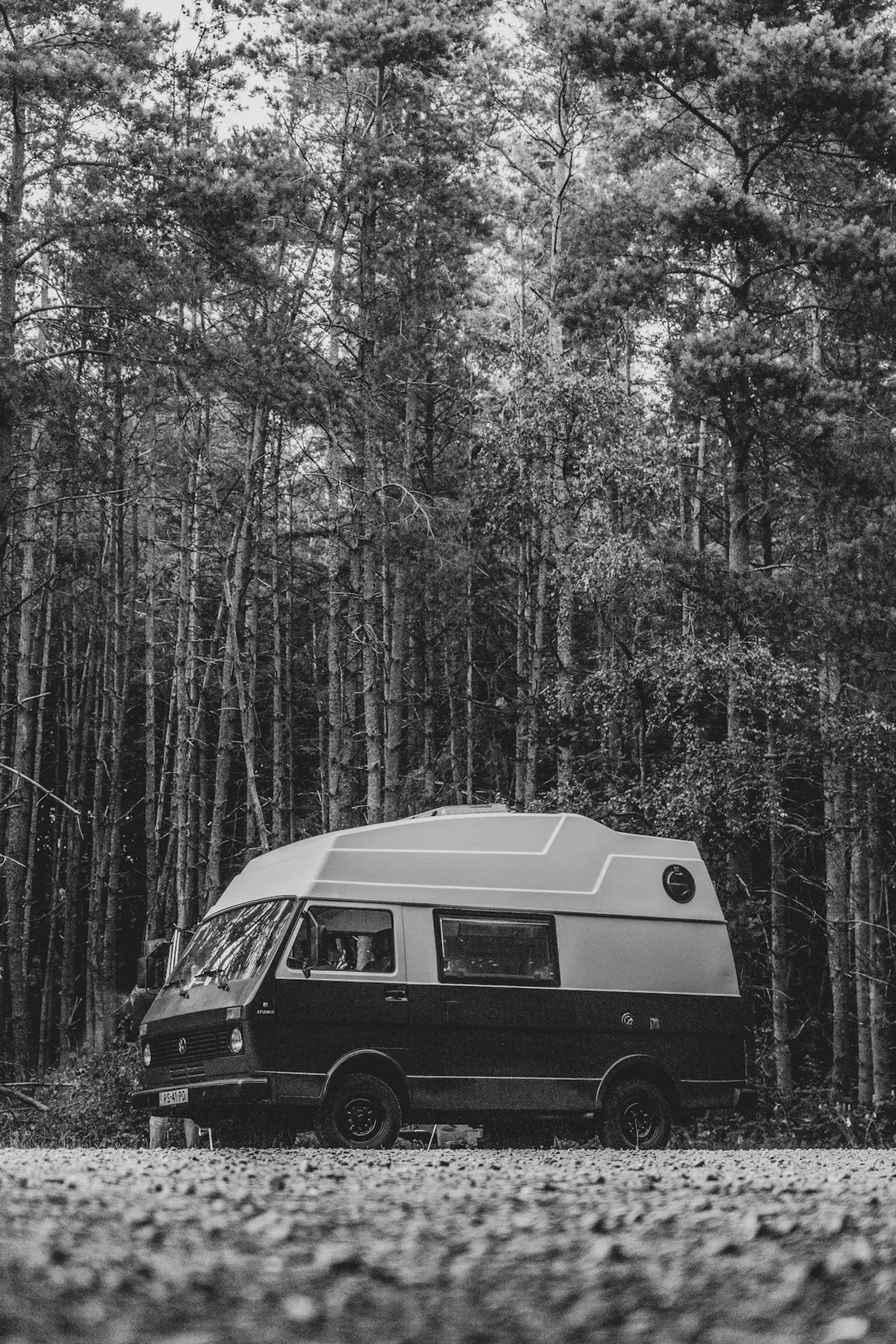
The appeal of campervan travel is obvious: wake up somewhere beautiful, make coffee with a view, drive to the next somewhere beautiful, repeat. No check-in times, no luggage transfers, no hotel search at 4pm when you’re tired and every place on Booking.com has a 6.2 rating.
The reality is that it’s also occasionally sleeping at a weird angle, running out of water at an inconvenient time, and discovering that the stove only works if you hold the ignition at a specific angle. But the good parts are very good, and the annoying parts make great stories.
Here’s what you actually need to know.
Rent or Buy?
Rent if this is your first time, your trip is under a month, or you don’t want to deal with insurance, registration, and the possibility of a major repair in a country where you don’t speak the language.
Buy if you’re going for more than two months, you’re mechanically inclined (or willing to learn), and you want the freedom to modify the van to your liking. Buying and reselling a van at the end of a long trip can be cheaper than renting — but it’s a project, not a transaction.
For most first-timers: rent. Here’s how.
Where to Rent
Indie Campers operates across Europe and has a good range from basic vans to fully kitted campers. Prices start around $60-80/day for a basic two-person van in shoulder season.
Escape Campervans covers the US, Canada, Australia, and New Zealand. Their hand-painted vans are recognizable (and slightly embarrassing in a good way). Budget option at $50-70/day.
Jucy in Australia and New Zealand is the budget king. Small, efficient vans from $40-60/day. Not luxurious, but everything works.
Roadsurfer in Europe is the premium option. Newer vehicles, better equipment, higher prices ($90-130/day). Worth it if comfort matters to you.
Peer-to-peer platforms like Outdoorsy or PaulCamper let you rent from private owners. Often cheaper, sometimes quirkier, and you might get a more interesting vehicle than the fleet rentals offer.
Book early for summer. Vans sell out months in advance for July-August in Europe and December-January in the southern hemisphere. Shoulder season (May-June, September-October in Europe) gives you better availability, lower prices, and fewer crowded campgrounds.
The Costs Nobody Mentions
The daily rental rate is the starting point, not the total. Budget for these:
Fuel: A diesel campervan gets 25-35 MPG depending on size. Budget $15-30/day for fuel in Europe, less in the US and Australia.
Campground fees: $15-40/night for a powered site in most of Europe. Free to $25 in the US. Some countries (Scotland, Norway, Sweden) have right-to-roam laws that make wild camping legal and free.
Tolls: France, Italy, Spain, and Portugal have highway tolls that add up fast. Budget $10-20/day if you’re covering distance on motorways. Or stick to secondary roads — slower, more scenic, free.
Insurance excess reduction: Most rental companies have a high excess ($2,000-5,000) on their basic insurance. The daily reduction waiver costs $15-25/day but saves you from a devastating bill if you clip a mirror or crack the windshield. Worth it.
Gas for cooking: Propane refills are cheap ($5-10) but finding the right adapter in a foreign country can be an adventure. Ask the rental company to show you how the system works before you drive off.
Realistic all-in budget for two people in a rented van: $100-180/day in Europe, $80-140/day in the US, $70-120/day in New Zealand or Australia. Still cheaper than hotels plus car rental plus restaurants, and significantly more fun.
Where to Sleep
Paid campgrounds are the safe default. You get a flat pitch, electricity, water, showers, and usually wifi. In Europe, book through Camping.info or the ACSI app. In the US, Recreation.gov handles national park campgrounds.
Wild camping / free camping is the dream, but the rules vary wildly by country:
- Norway, Sweden, Scotland: Legal almost everywhere under right-to-roam laws. Park away from houses, leave no trace, stay one night per spot.
- New Zealand: Free camping is legal in designated areas (look for the “Certified Self-Contained” sticker on your van). The CamperMate app shows legal spots.
- US: BLM land and national forest dispersed camping is free and legal. Use the iOverlander or FreeRoam apps.
- France, Spain, Italy: Wild camping is technically illegal in most places but widely tolerated if you’re discreet, arrive late, leave early, and don’t set up camp furniture. A parking lot near a trailhead is different from a beach in a national park.
- Germany, UK (except Scotland): Wild camping in a van is generally not allowed. Stick to campgrounds or designated overnight parking areas (Stellplatz in Germany).
The park4night app is essential everywhere. User-reported spots with reviews, GPS coordinates, and photos. Filter by free, paid, or services available.
Cooking on the Road
Van cooking is limited by space but not by quality. A two-burner stove, one pan, one pot, and a sharp knife will cover 90% of what you need.
Stock up at local markets. Fresh bread, cheese, tomatoes, olives, cured meat — this is the van lunch template across southern Europe, and it never gets old.
One-pot meals are your friend. Pasta with whatever vegetables and sauce you have. Rice with canned beans and spices. Eggs scrambled with whatever’s left. Nothing fancy, everything satisfying after a day of driving and hiking.
Cold storage matters. Most rental vans have a fridge that runs off the leisure battery. Keep it full (a full fridge stays cold longer), close it quickly, and park in shade when possible. A cooler with ice works as backup.
Coffee is non-negotiable. Bring a moka pot or AeroPress. Instant coffee from a gas station is a dark road that leads nowhere good.
The Best Countries for Van Travel
New Zealand might be the single best country in the world for campervan travel. The infrastructure is built for it — freedom camping spots everywhere, reliable campgrounds, stunning scenery around every bend, and the drives between stops are short enough that you’re never bored.
Portugal has incredible coastal driving, cheap campgrounds, and a culture that’s relaxed about overnight parking. The Algarve coast is van travel perfection.
Norway is expensive for everything except camping, which is free. The fjords are absurd. The roads are engineered for scenery. Wild camping on a cliff above a fjord with no one around for miles is worth every kroner you spent on gas to get there.
The US and Canada have the scale. The national parks, the empty desert highways, the Pacific Coast Highway, the forests of British Columbia — van travel here is about distance and grandeur.
Scotland combines right-to-roam camping with single-track roads through the Highlands, castles appearing in the mist, and coastal routes where you might not see another vehicle for an hour.
What Nobody Warns You About
You’ll argue about where to park. At the end of a long driving day, deciding where to sleep becomes the most important decision in the world. Agree on a system — one person navigates the app, the other drives, first decent spot wins.
Condensation is real. Two people sleeping in a small metal box produces moisture. Crack a window, use a vent fan, and wipe down the walls in the morning. Ignore this and everything gets damp.
The toilet situation. Many vans don’t have one. Plan around public bathrooms, campground facilities, and the great outdoors (carry a trowel and biodegradable toilet paper). Vans with built-in cassette toilets require emptying at dump stations. It’s exactly as glamorous as it sounds.
Driving a van is different. Height clearances matter. Wind pushes you around. Narrow European roads with stone walls on both sides are stressful the first time. Take it slow the first day and you’ll adjust.
You’ll need less than you think. The van forces simplicity, and simplicity turns out to be the whole point. One pan, one good knife, a couple of books, clothes for a week. The rest is just the road and whatever’s outside the window when you wake up.