Why I'm Skipping Maui This Spring and Going to Hawaii's Big Island Instead
Maui's overpriced and overhyped. The Big Island has active lava, the world's best stargazing, and rooms at half the price.
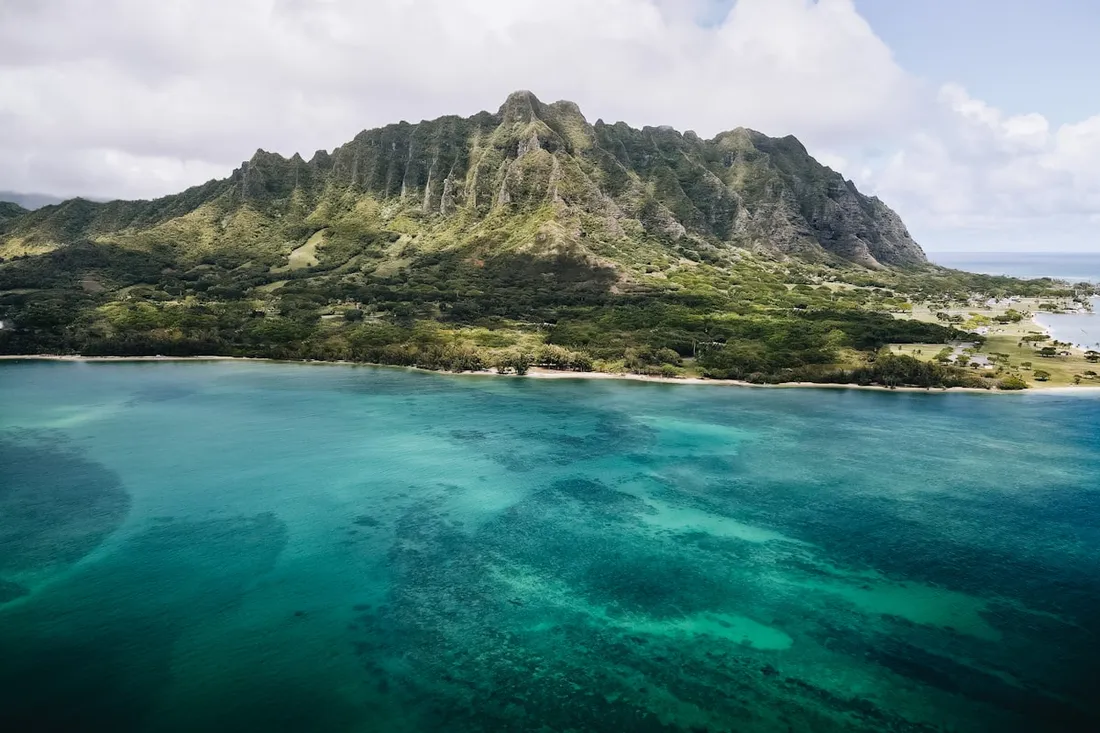
I had Maui auto-booked for the third spring in a row. Same resort zone in Ka’anapali, same rental car company gouging me $120/day, same $22 açaí bowl I’d eat on a pool chair while pretending that counted as experiencing Hawaii. Then my friend Jess got back from a week in Hilo and pulled up her photos at dinner, lava spilling into the ocean at dusk, the Milky Way so thick over Mauna Kea it looked fake, and a 400-foot waterfall she’d had completely to herself at 9am on a Tuesday. I canceled my Maui reservation while we were still at the table. Didn’t even wait for the check.
Look, I love Hawaii. I’ve been five times. But three of those were Maui, and I’m done pretending it’s the best the state has to offer. It’s the most familiar, and that’s not the same thing. The Big Island has an active volcano, the clearest astronomical viewing on the planet, a food scene that’s actually affordable, and hotel rates that won’t make you do math in the shower. For spring 2026, it’s not even close.
What Maui Actually Costs You (Beyond the Room Rate)
Here’s what nobody tells you about Maui in spring: it’s not just expensive, it’s expensive in a way that nickel-and-dimes you into a worse trip. The resort areas, Ka’anapali, Wailea, Kihei, are designed to keep you spending within a three-block radius. A rental car on Maui in April runs $100-150/day. The same compact sedan on the Big Island? $50-75. That’s not a rounding error. Over a week, that’s $350-500 back in your pocket.
Accommodation tells the same story. A mid-range hotel in the Lahaina area (what’s available post-rebuilding) runs $350-450/night in spring 2026. A comparable room in Hilo, and I mean genuinely comparable, clean, well-located, with actual character, is $130-180. That’s not a budget sacrifice. That’s a better deal.
| Category | Maui (Spring 2026) | Big Island (Spring 2026) |
|---|---|---|
| Hotel (mid-range) | $350-450/night | $130-200/night |
| Rental car | $100-150/day | $50-75/day |
| Plate lunch | $18-24 | $12-16 |
| Poke bowl | $20-26 | $14-18 |
| Resort activity fees | $30-50/day | Rare |
That daily cost difference adds up to roughly $150-200/day, which means over a week, you’re saving $1,000-1,400. Enough to fund a second trip. Enough to actually do the stargazing tour, the lava boat excursion, and the snorkeling charter without doing guilt math afterward.
I’ve written about this same dynamic in Italy and Mexico, the famous version of a destination is almost never the best-value version. Maui is Hawaii’s Positano: gorgeous, yes, but you’re paying a premium for the name recognition while the better experience exists an island away.
Volcanoes National Park: The One Thing Maui Literally Cannot Offer
Maui has Haleakalā, and I won’t pretend sunrise up there isn’t stunning. It is. But Haleakalā is a dormant volcano. You’re looking at a crater. It’s beautiful in the way a photograph of a fire is beautiful, impressive, but static.
Kīlauea is alive.
I drove into Volcanoes National Park around 4pm on a Wednesday, windows down, and the first thing I noticed wasn’t the landscape, it was the smell. Sulfur, sharp and mineral, like striking a match inside a hot spring. The steam vents along Crater Rim Drive hiss constantly, this low rumble underneath everything, and when you get to the Halema’uma’u overlook at dusk, the crater glows. Actually glows. Orange light pulsing under a shelf of hardened lava, smoke rising into a sky that’s already turning purple. It doesn’t look real. It looks like a movie set that someone forgot to make realistic.
The park entrance is $30 per vehicle, good for seven days. Seven days. You could come back every evening for a week and watch the light change over active lava flows, and it’d cost you less than one resort dinner on Maui.
The Chain of Craters Road drops you 3,700 feet from the summit to the coast over 19 miles of lava fields, some of them less than a decade old. The pavement literally ends where the 2018 eruption swallowed the road. You park, you walk, and you’re standing on rock that didn’t exist when you were in high school. The ground is warm under your shoes. Not metaphorically. The basalt radiates heat.
What nobody tells you: the best time to visit isn’t the golden hour everyone photographs. It’s after dark. The park stays open 24 hours, and around 9pm the crowds thin to almost nothing. Just you, the glow, and the sound of the earth doing something your brain can’t quite process. Bring a headlamp and a jacket, it drops to 55°F at the summit elevation, and the wind picks up after sunset.
Mauna Kea at Night Is a Different Category of Experience
I’ve seen clear skies in the Atacama. I’ve watched the Milky Way from a beach in Lombok. Mauna Kea is different. It’s not just dark, it sits at 13,796 feet above sea level, above 40% of the earth’s atmosphere, and the air is so dry and still that the stars don’t twinkle. They just hold steady, thousands of them, in a sky that looks more like a planetarium projection than something real.
Spring is the best season for this. The winter storms are done, the summer humidity hasn’t arrived, and April and May offer some of the clearest nights of the year.
You’ve got two options. The first is the Visitor Information Station at 9,200 feet, free, open to the public, with telescopes set up by volunteer astronomers on weekend evenings. They’ll point out Saturn’s rings, the Andromeda galaxy, star clusters you didn’t know existed. It’s cold up there (40°F on a spring night, sometimes colder), and the air is thin enough that you’ll notice it in your breathing. Bring every layer you packed, and if you’re working from a carry-on bag, this is the one time you’ll wish you had a proper parka. I wore every shirt I’d brought, plus my rain jacket, and I was still cold. Worth it.
The second option: a guided summit tour. Mauna Kea Summit Adventures and Hawaii Forest & Trail both run evening trips that drive you to the top for sunset, then back down to the VIS for stargazing. $230-260/person. That sounds steep until you’re standing on the summit watching the sun drop below a sea of clouds while the temperature reads 32°F and the sky above you is already filling with stars. I don’t say this often about organized tours, but this one earns every dollar.
The fear with Mauna Kea is altitude sickness, and it’s a real concern, you’re going from sea level to nearly 14,000 feet in about two hours. Drink a ridiculous amount of water the day before. Don’t go if you’ve been scuba diving in the last 24 hours. And don’t be a hero about the symptoms: if you get a headache and nausea at the summit, go back down to the VIS. The stars are almost as good at 9,200 feet, and passing out on a volcano is a bad story, not a good one.
The North Shore Waterfall Corridor Most People Never Reach
Everyone who visits the Big Island does Volcanoes National Park and the Kona Coast. Almost nobody drives the Pepe’ekeo Scenic Route north of Hilo, and that’s a mistake.
The Hamakua Coast runs roughly 50 miles from Hilo to Waipi’o Valley, and it’s one of the most beautiful drives in the United States, not in a Maui “Road to Hana with 600 other rental cars” way, but in a “you might not see another car for 20 minutes” way. The road cuts through old sugar cane land that’s gone back to jungle, crossing single-lane bridges over ravines choked with ginger and bird of paradise. The air smells like wet earth and plumeria, and after a morning rain (it rains almost every morning on this coast, pack accordingly), the waterfalls are running full.
Akaka Falls is the one everyone knows: 442 feet, one short loop trail, usually a small crowd. It’s worth the stop. But keep driving north.
Umauma Falls is a three-tiered cascade you can see from a privately maintained overlook ($15 entry, or free if you book their zipline). Pe’epe’e Falls and Boiling Pots, a series of naturally carved pools connected by underground lava tubes, sit right outside Hilo with almost no visitors on a weekday morning. The water churns through the tubes and surfaces in these round pools that genuinely look like they’re boiling. They’re not. The water’s cool, almost cold, and perfectly calm at the edges.
The real prize is Hi’ilawe Falls in Waipi’o Valley, 1,450 feet, one of the tallest in the state. Getting there requires a 4WD vehicle down a 25% grade road that’ll test your faith in rental car insurance, or a guided hike. The valley floor is taro fields and wild horses and a black sand beach where the surf hits so hard you feel it in your chest. I spent an entire morning there and saw exactly four other people. On Maui, you can’t find a parking spot with that kind of solitude.
Where Should You Base Yourself: Hilo or Kailua-Kona?
Both. Split your week. They’re completely different towns on opposite sides of a very large island, and driving between them takes about 2.5 hours on the Saddle Road (Highway 200) through lava fields with Mauna Kea looming above you. It’s one of the most surreal drives in Hawaii, desolate, volcanic, like driving across the surface of another planet.
Hilo is where you base for the waterfalls, Volcanoes National Park, and Mauna Kea. It’s rainy, green, and deeply local, not a resort town, not trying to be one. The farmers market on Wednesday and Saturday mornings is the best on the island: rambutan, dragon fruit, lychee, lilikoi (passion fruit) butter that you’ll want to bring home in quantities that violate TSA liquid rules. Hilo Bay Hostel runs $40/night for a dorm, $110 for a private, clean, central, five-minute walk to the bayfront. For a step up, SCP Hilo Hotel does $160-190/night with the kind of design-forward rooms you’d pay $400 for in Wailea.
Eat at Puka Puka Kitchen for poke bowls built to order, ahi, tako (octopus), salmon, over rice with furikake and a scoop of mac salad on the side. $15 for a combo that’ll carry you through an afternoon of hiking. For plate lunch, Cafe 100 has been doing loco moco since 1946: a hamburger patty over rice, topped with a fried egg and brown gravy. It shouldn’t work. It’s $9 and it’s one of the most satisfying things I’ve eaten in Hawaii. The gravy’s savory and slightly sweet, the egg yolk breaks over everything, and you eat it out of a styrofoam container in the parking lot feeling like you’ve figured something out.
Kailua-Kona is the dry side: sunnier, more touristy, better beaches and snorkeling. Base here for the Kealakekua Bay snorkeling trip (spinner dolphins and the Captain Cook monument), the coffee farms in the Kona hills, and the sunsets along Ali’i Drive. It’s pricier than Hilo but still 30-40% cheaper than Maui’s resort zones. Kona Seaside Hotel is right on the water at $170-210/night, no-frills, excellent location, the kind of hotel that spends money on the view instead of the lobby furniture.
For dinner on the Kona side, Da Poke Shack on Ali’i Drive does the best takeaway poke on the island, spicy ahi, garlic shrimp, furikake salmon, in portions sized for people who’ve actually been active all day. $16-20 for a bowl. Take it to the seawall and eat while the sun drops into the Pacific. This is the Hawaii moment everyone flies to Maui for, except here you didn’t mortgage anything to get it.
A 7-Day Itinerary Built Around the Drive Times
The Big Island is big, it’s literally in the name. You can’t wing the logistics. Here’s the itinerary I’m building for my April trip, with realistic drive times (Google Maps lies about these roads, add 15-20 minutes to whatever it says).
Days 1-3: Hilo Base
-
Day 1: Fly into Hilo (ITO). Pick up rental car. Check into your hotel. Walk the bayfront, hit the farmers market if it’s a Wednesday or Saturday. Dinner at Puka Puka Kitchen. Adjust to the pace, this isn’t Maui, and that’s the point.
-
Day 2: Volcanoes National Park. It’s 45 minutes from Hilo. Arrive by 9am, hike Kīlauea Iki Trail (4 miles across a solidified lava lake, the ground is warm, the steam vents hiss along the trail). Drive Chain of Craters Road in the afternoon. Come back after dark for the crater glow. Pack dinner, there’s nowhere to eat inside the park after the visitor center closes.
-
Day 3: North shore waterfall day. Drive the Hamakua Coast to Waipi’o Valley (1.5 hours from Hilo, but you’ll stop constantly). Hit Akaka Falls, Boiling Pots, and Umauma on the way. If you’ve got a 4WD, descend into Waipi’o. If not, the valley overlook is still worth the drive. Back to Hilo by late afternoon.
Day 4: Transfer Day
-
Morning: Mauna Kea Visitor Information Station for the daytime view and a short hike at 9,200 feet. This acclimatizes you for the evening stargazing later in the trip.
-
Afternoon: Drive the Saddle Road to Kailua-Kona (2-2.5 hours). Check into your Kona hotel. Walk Ali’i Drive. Sunset poke at Da Poke Shack.
Days 5-7: Kailua-Kona Base
-
Day 5: Kealakekua Bay. Kayak or boat tour to the Captain Cook monument, the snorkeling here is some of the best in the state. Afternoon at a Kona coffee farm (I like Greenwell Farms, free tours, excellent single-origin, and they let you taste the cherry right off the branch). The coffee fruit is sweet, almost floral, nothing like what ends up in your cup.
-
Day 6: Morning at Makalawena Beach, white sand, turquoise water, no development, and a 20-minute walk over lava rock to get there (which keeps 90% of people away). Afternoon: drive back up toward Mauna Kea for the evening stargazing tour. Yes, it’s 1.5 hours each way from Kona. It’s the best thing you’ll do all week.
-
Day 7: Slow morning in Kona. The Saturday market at Old Kona Airport Park if your timing works. Last swim. Flight out of Kona (KOA), the airport’s tiny, security takes 15 minutes, and you can be at the beach an hour before your flight. That’s the kind of efficiency Maui’s Kahului airport hasn’t offered since the ’90s.
Total estimated budget for 7 days (per person, double occupancy):
| Category | Estimated Cost |
|---|---|
| Flights (mainland US) | $350-500 RT |
| Accommodation (mix of Hilo/Kona) | $700-1,100 |
| Rental car (7 days) | $350-525 |
| Food | $250-350 |
| Activities (park entry, stargazing tour, snorkel trip) | $300-400 |
| Total | $1,950-2,875 |
That same week on Maui? You’re looking at $3,500-4,500 for a comparable experience, except the experience isn’t comparable, because Maui doesn’t have an active volcano or the best stargazing site on earth.
I’ve done the Greek islands on a ferry schedule that required spreadsheet-level planning. I’ve done island hopping where the logistics were half the trip. The Big Island is easier than all of it, one island, one rental car, two base towns, and enough to fill a month if you had one.
Maui’s fine. I’ve had good meals there, good sunsets, good swims. But every time I’ve left, I’ve felt like I paid resort prices for a resort experience, and the actual island, the raw, volcanic, weird, wild version of Hawaii, was somewhere else the whole time. This spring, I’m going to find it. One bag, one island, no Ka’anapali poolside açaí bowl in sight.