The Amalfi Coast Without the Tour Buses
Everyone goes to Positano. Here's what happens when you keep driving past it — and why the quieter side of the coast is better.
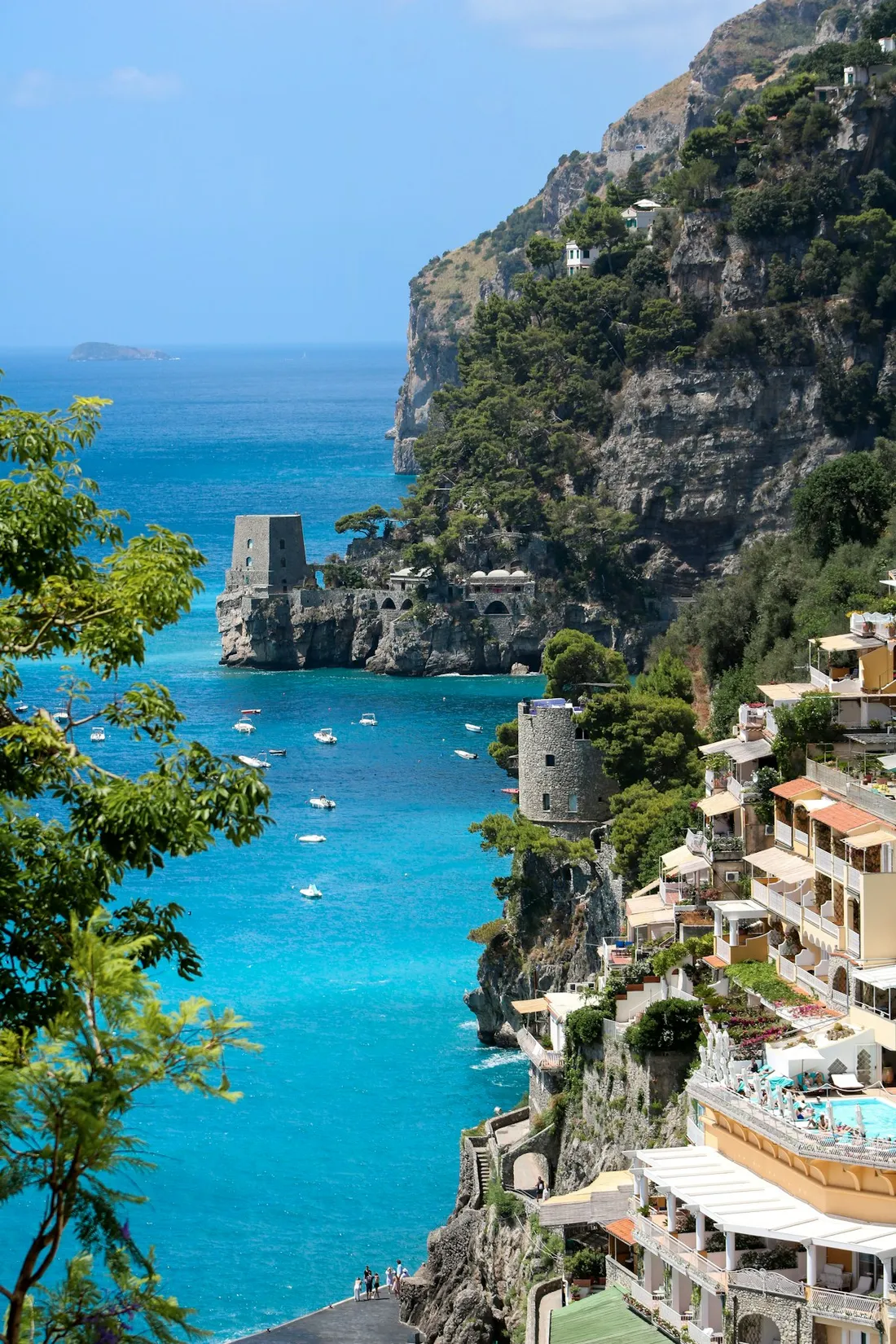
Positano from the road above is one of the most photographed views in Italy. Pastel houses tumbling down a cliff to a crescent beach, fishing boats pulled up on shore, bougainvillea everywhere. It earns its reputation.
Then you get down there and it’s €22 for a plate of pasta, the beach chairs cost €40, and the narrow streets are so packed you’re walking shoulder-to-shoulder with people holding selfie sticks. Positano is beautiful. Positano in July is a theme park.
The coast doesn’t end there. Keep driving east and the road gets narrower, the towns get smaller, and the tourists disappear. That’s where the trip begins.
The Towns Most People Miss
Atrani
One kilometer past Amalfi town — literally a five-minute walk through a tunnel — sits the smallest town on the coast. Atrani has a tiny piazza that opens directly onto a beach, a church with a bronze door from Constantinople, and about four restaurants.
It takes twenty minutes to walk every street. That’s the appeal. You have coffee in the piazza, swim at the beach, eat lunch at the same piazza, and by afternoon you know the town by heart. In the evening, local kids play soccer in the square while their parents sit on church steps.
Stay here and walk to Amalfi for the cathedral and the shops. You get the coast without the markup.
Cetara
A fishing village that most tourists drive through on the way to somewhere else. Cetara is famous for two things: anchovies and colatura, a fermented fish sauce that’s been made here since Roman times. It tastes better than it sounds — umami-rich, amber-colored, used on everything from pasta to bruschetta.
The restaurants here cook what the boats bring in that morning. No printed menu in four languages, no photos of the dishes outside. You sit down, the waiter tells you what’s fresh, and you eat the best seafood of your life for €15.
Vietri sul Mare
The last town on the coast heading south, known for its ceramic tradition. The whole town is covered in hand-painted tiles — stairs, fountains, church domes. The ceramic shops here sell directly from workshops, not tourist boutiques.
Vietri has a real town feel that the more famous stops lack. There’s a hardware store, a school, people doing laundry on their balconies. It’s the Amalfi Coast as a place people live, not just visit.
How to Actually Get Around
Forget renting a car. The Amalfi Coast road is single-lane in places, buses take the mirrors off, and parking in any town costs more than the fuel.
SITA buses run the entire coast from Sorrento to Salerno for a few euros. They’re crowded in summer, but off-season you’ll get a window seat with views that would cost €200 on a private boat tour.
Ferries connect the main towns from April to October. The approach to each town by sea is spectacular — you understand the geography of the coast much better from the water.
Walking paths connect many of the towns along the coast. The Sentiero degli Dei — Path of the Gods — is the famous one, a ridge walk high above the sea from Agerola to Nocelle. But there are dozens of smaller paths, old donkey trails that run between villages through lemon groves and terraced gardens.
When to Go
Late September through October is ideal. The water is still warm enough to swim, the summer heat has broken, and the buses are half-empty. Restaurants are open but not frantic. You might be the only person on a beach that had fifty umbrellas a month ago.
May is the other sweet spot — everything is open, the wisteria is blooming, and the lemons are ripening on the trees. It can be cool enough for a light jacket in the evenings.
What to Eat
Lemons. Everything involves lemons. Limoncello, lemon pasta, lemon cake, lemon granita, lemons the size of your head growing on terraces above the road.
Beyond the lemons: fresh pasta with clams, fried anchovies straight from the boat, buffalo mozzarella from farms just inland, and sfogliatella from any bakery that makes them by hand.
Eat lunch as your big meal. Restaurants in smaller towns often serve a pranzo (lunch) with primo, secondo, and house wine for €15–20. Dinner at the same place might be double.